How to Identify Genuine Job Opportunities and Avoid Recruitment Scams

Searching for a job often involves sharing resumes, contact information and professional details with employers and recruiters. While many organizations use online platforms to advertise genuine vacancies, fraudulent job offers and misleading recruitment messages can also appear. Job seekers should take reasonable steps to verify opportunities before sharing sensitive information or making decisions. Understanding how recruitment scams may operate can help candidates protect themselves and make more informed choices throughout their job search. 1. Verify the Employer and the Job Vacancy Before applying, check whether the organization has a credible online presence. Review its official website, company information, publicly available contact details and career page, if available. Compare the vacancy details with information published through the employer’s official channels. Be careful if a recruiter uses a company name but cannot provide verifiable information about the role or organization. You can contact the company using independently verified contact details to ask whether the vacancy is genuine. Do not rely only on a phone number or link provided in a suspicious message. 2. Be Careful with Guaranteed Job Offers A recruitment process generally involves assessing candidates against the requirements of a position. Messages that promise guaranteed employment without a meaningful selection process should be treated cautiously, particularly when they create urgency or demand immediate action. Be wary of claims such as guaranteed selection, unusually high salaries for very limited work or instant appointments without clear job responsibilities. These signs do not prove that an offer is fraudulent on their own, but they are reasons to verify the employer, role and recruitment process before proceeding. 3. Understand Requests for Fees and Payments Candidates should carefully examine any request for money during recruitment. Be especially cautious about demands for unexplained payments to secure an interview, obtain an offer letter, guarantee selection or release a promised salary. Recruitment arrangements and permitted fees can differ according to the employer, service and applicable rules, so do not assume that every payment-related request is automatically legitimate or automatically fraudulent. Ask for a written explanation of any charge, verify it independently and review the relevant terms before making a payment. Never transfer money simply because someone pressures you with a deadline. 4. Protect Your Personal and Financial Information A resume normally contains professional information such as education, experience, skills and contact details. However, some documents and financial details are much more sensitive. Avoid sharing banking passwords, one-time passwords (OTPs), payment card PINs or account login credentials with anyone claiming to be a recruiter. Provide identity or financial documents only when there is a clear, legitimate requirement and you have verified the recipient and purpose. Use secure, appropriate channels wherever possible. Be cautious of requests to install unfamiliar applications, share your screen or grant remote access to your device as part of a recruitment process. 5. Check Communication Channels and Documents Look carefully at the email address, phone number, website address and wording used by the recruiter. Fraudulent messages may imitate genuine organizations through similar-looking email addresses, copied logos or altered offer letters. Check whether the communication provides a clear job title, employer name, responsibilities, location and selection process. Poor grammar or an unfamiliar email address alone does not establish fraud, but inconsistencies should prompt further checks. Verify important details through official company channels rather than replying only to the contact information in a questionable message. 6. Ask Questions Before Accepting an Offer A genuine recruitment process should provide reasonable information about the job and the organization. Ask about responsibilities, salary structure, working hours, location, reporting arrangements, employment terms and the next steps in selection. Read the offer letter carefully and check whether the details match what was discussed during interviews. If anything is unclear, request written clarification. Avoid signing documents you do not understand or accepting pressure to make an immediate decision without sufficient information. 7. Report Suspicious Activity and Seek Help If you suspect a recruitment scam, stop sharing information or sending money until you have verified the situation. Preserve relevant evidence, such as messages, emails, phone numbers, payment records and website details. In India, suspected cybercrime can be reported through the official National Cyber Crime Reporting Portal or the appropriate authorities. If money has already been transferred, contact your bank promptly and report the incident through the appropriate official channels. The Guru Consultancy encourages candidates to verify vacancies, communicate carefully and protect their personal information while exploring employment opportunities. A careful approach can help job seekers focus on genuine recruitment processes and avoid preventable risks. Stay informed, verify before you trust and make job-search decisions with care.
How to Explain a Career Gap and Return to Work with Confidence

A career gap is a period when a person is not engaged in formal employment. It may occur because of family responsibilities, further education, relocation, personal projects, health-related circumstances or a change in career direction. Having a gap in your resume does not mean you cannot pursue new opportunities. What matters is how you present your experience, explain your circumstances appropriately and prepare for the role you want. Returning to work may require planning, confidence and an understanding of current employer expectations. These steps can help you prepare. 1. Understand and Organize Your Career History Before applying for jobs, review your previous employment, education, achievements and the reason for your career break. Make a clear timeline of your professional journey, including the responsibilities you handled before the gap and any activities you completed during it. Think about the skills you developed through work, education, family responsibilities, volunteering or independent projects. You do not need to disclose private details that are unrelated to the role. Preparing a factual summary of your career history can help you answer interview questions clearly and consistently. 2. Explain Your Career Gap Honestly Employers may ask about a gap to understand your availability, recent experience or readiness for the position. Prepare a short, truthful explanation that is relevant and comfortable for you to share. For example, you might explain that you took time away from work for family responsibilities, completed additional education, relocated or reassessed your career goals. Avoid inventing employment, qualifications or projects to cover the gap. You can briefly explain the circumstances and then shift the conversation towards your current skills, interests and readiness to return. 3. Identify Skills That Remain Relevant Your professional abilities do not automatically disappear during a career break. Review the skills you used in previous roles and identify those that are still relevant to your preferred positions. These may include communication, administration, customer service, accounting, project coordination, technical knowledge or team management. Consider how your experience can meet current job requirements. If a skill has changed significantly in your industry, identify what you need to refresh. This helps you focus on roles that suit your background while planning any necessary learning. 4. Refresh Your Knowledge and Learn New Skills Some industries introduce new software, processes, regulations or working methods over time. Returning professionals can benefit from reviewing current job descriptions and identifying skills that employers frequently request. Explore reputable online courses, practical workshops, industry resources or certifications relevant to your chosen field. Practise using tools and software that appear in current vacancies. If possible, work on a small project to apply what you learn. You do not need to complete every available course; focus on learning that is directly connected to your career objectives. 5. Update Your Resume and Professional Profile Your resume should present your experience accurately and highlight your suitability for the role. Include your previous employment, key responsibilities, achievements, qualifications and relevant recent learning. If you completed freelance work, volunteering or professional training during your break, include it where it is relevant and can be described truthfully. Use a clear format and a concise professional summary that focuses on the type of role you are seeking. Update your online professional profile so that it matches your resume. Avoid drawing unnecessary attention to the gap; instead, present your career history clearly and confidently. 6. Prepare for Interviews and Questions Practise answering questions about your career break, previous experience and reasons for returning to work. Keep your explanation calm, brief and factual. Be prepared to discuss how your skills match the vacancy and what you have done to prepare for the role. You may also be asked about availability, working hours, location preferences or the type of workplace you are looking for. Consider these points in advance so that you can give clear answers. Remember that an interview is also an opportunity for you to understand the position and decide whether it suits your circumstances. 7. Explore Suitable Opportunities and Move Forward Look for positions that match your qualifications, experience, interests and current availability. Depending on your circumstances, you may consider full-time roles, part-time work, contract positions, return-to-work programmes or opportunities that offer training. Use job portals, company career pages, professional connections and recruitment consultancies to discover vacancies. Keep track of your applications and follow up respectfully when appropriate. The Guru Consultancy encourages returning professionals to recognize their existing strengths, prepare for current workplace expectations and explore opportunities aligned with their career goals. A career gap is one part of your professional journey, not the full story. Prepare thoughtfully and take your next step with confidence.
How to Find Job Opportunities Through Networking and Professional Connections

Searching for a job can involve more than browsing vacancies and submitting resumes. Professional networking helps job seekers learn about industries, understand employer expectations and discover opportunities through meaningful connections. Networking does not mean asking everyone for a job. It involves building genuine professional relationships, exchanging useful information and staying connected with people who share your career interests. Whether you are a fresher, an experienced employee or someone returning to work, networking can become a useful part of your job search. 1. Understand the Value of Professional Networking Professional networking means building relationships with people who can share career knowledge, industry insights or information about employment opportunities. These connections may include former classmates, colleagues, teachers, mentors, industry professionals and recruiters. Networking can help you learn about job roles that you may not have considered and understand the skills employers expect. A professional connection may also inform you about a vacancy or explain how an organization recruits. However, networking does not guarantee employment. Your qualifications, experience, suitability and performance in the selection process remain important. 2. Start with Your Existing Connections You do not need to know senior executives or influential people to begin networking. Start with people you already know, such as friends, classmates, former colleagues, teachers and professional acquaintances. Let them know the type of work you are seeking, the industry you are interested in and the skills you can offer. Keep your message polite and specific. Instead of simply asking someone to arrange a job, you can ask whether they know of relevant openings or have advice about entering a particular field. Stay respectful of their time and avoid repeatedly sending messages when they have not responded. 3. Build a Professional Online Presence Online professional platforms can help you connect with people and learn about organizations. Create a complete and accurate profile that includes your education, work experience, skills, certifications and career interests. Use a professional photograph if appropriate, write a clear headline and include a short summary describing your background. Follow organizations and professionals in your preferred industry, participate constructively in relevant discussions and keep your information updated. Avoid exaggerating your achievements or posting content that could misrepresent your professional background. A genuine online profile makes it easier for recruiters and potential connections to understand your experience. 4. Attend Career Events and Industry Activities Career fairs, seminars, workshops, training programmes and industry events provide opportunities to meet professionals and learn about employment trends. Some events may include employer presentations, recruitment desks or discussions about required skills. Before attending, review the event details and identify the organizations or topics that interest you. Prepare a brief introduction about your background and career goals. Ask thoughtful questions and listen carefully to the answers. After the event, connect with relevant people where appropriate and refer to the discussion you had. Focus on building professional relationships rather than collecting as many contacts as possible. 5. Communicate with Recruiters Professionally Recruiters can provide information about vacancies, eligibility requirements and recruitment processes. When contacting a recruiter, introduce yourself briefly, explain your area of interest and share a relevant resume or professional profile if requested. Keep your message concise and respectful. Mention the role or type of opportunity you are seeking and include accurate contact information. If a recruiter says there are no suitable vacancies at present, thank them and ask whether it would be appropriate to stay in touch. Never share sensitive documents or financial information without verifying who is requesting them and why. Be cautious of anyone promising a guaranteed job in exchange for an unexplained payment. 6. Maintain and Strengthen Your Connections Networking is more effective when professional relationships are maintained over time. Stay in touch occasionally by sharing relevant updates, congratulating contacts on professional achievements or exchanging useful industry information. Avoid contacting people only when you urgently need assistance. Offer help where you genuinely can, such as sharing a relevant vacancy with someone whose skills match it or exchanging information about a professional event. Respect personal boundaries and do not expect every connection to lead to a job. Strong professional relationships are built through mutual respect, honesty and meaningful communication. 7. Combine Networking with a Consistent Job Search Networking should complement, not replace, other job-search activities. Continue applying through job portals, company career pages, recruitment consultancies and official hiring channels. Customize your resume for suitable vacancies, prepare for interviews and develop the skills requested by employers. Maintain a record of applications, recruiter conversations, referrals and follow-up dates. This can help you stay organized and avoid sending repeated applications or messages unnecessarily. The Guru Consultancy encourages job seekers to explore different ways of finding employment, build professional connections and prepare carefully for suitable vacancies. With consistent effort and a clear career direction, networking can become a valuable part of your professional journey. Build genuine connections, stay prepared and keep exploring opportunities that match your goals.
How to Create a Resume That Gets Noticed by Employers
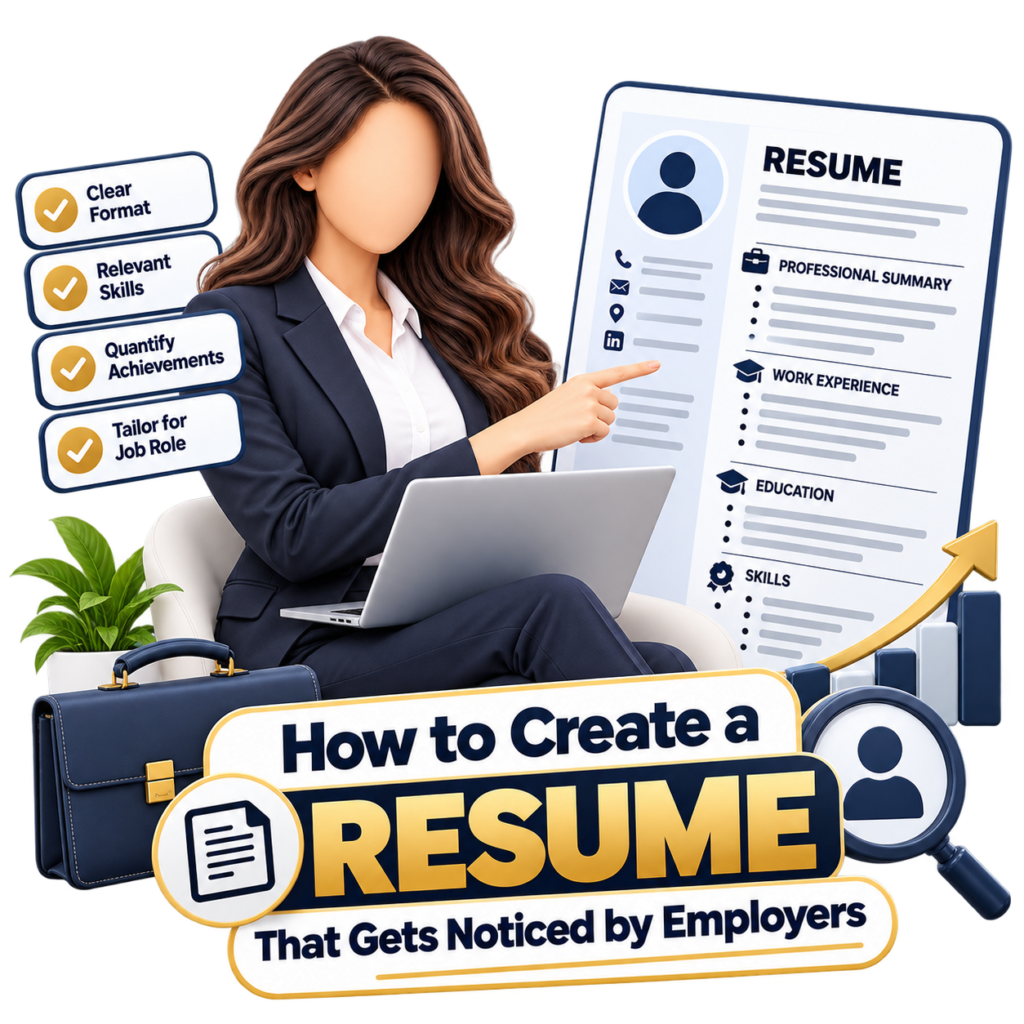
A resume is often the first opportunity to introduce yourself to a potential employer. It gives recruiters a quick overview of your qualifications, professional experience, skills and career achievements. A well-organized resume can help employers understand your suitability for a position and decide whether to invite you for an interview. Whether you are a fresher or an experienced professional, creating a clear and relevant resume is an important step in your job search. 1. Choose a Clear and Professional Format Your resume should be easy to read, well-organized and visually professional. Use a simple layout with clearly defined sections, consistent fonts, suitable spacing and readable headings. Avoid excessive colours, complicated graphics and decorative elements that distract from your information. For most applicants, a reverse-chronological format works well because it presents the most recent education or work experience first. Keep your resume length appropriate to your background. Freshers can often use one page, while experienced professionals may need two pages to explain relevant experience and achievements. 2. Write a Strong Professional Summary A professional summary is a short introduction placed near the top of your resume. It should communicate who you are, your relevant experience or qualifications, your key strengths and the type of role you are seeking. For example, a fresher might describe their educational background, practical project experience and interest in an entry-level position. An experienced candidate could highlight their years of experience, area of expertise and major professional strengths. Keep the summary specific to the roles you are applying for rather than using generic statements that could describe almost anyone. 3. Highlight Relevant Skills and Qualifications Employers look for candidates whose skills and qualifications match the vacancy requirements. Review the job description and identify the technical abilities, industry knowledge, certifications and interpersonal skills that are relevant to the role. Include skills you genuinely possess and can explain during an interview. These might include computer applications, communication, customer service, accounting software, programming, sales, project coordination or other job-specific capabilities. Organize them in a dedicated section so recruiters can find important information quickly. Avoid listing skills simply because they appear frequently in job advertisements. 4. Present Your Experience and Achievements When describing previous employment, internships or projects, explain your responsibilities and contributions in clear, concise language. Mention your job title, organization, employment dates and key tasks. Wherever possible, describe outcomes rather than listing duties alone. For example, instead of writing that you were responsible for customer support, explain how you handled customer queries, maintained records or helped resolve service issues. Use accurate figures only when you can verify them. Freshers can highlight academic projects, internships, volunteering, practical training and extracurricular activities that demonstrate relevant abilities. 5. Make Your Resume Relevant to Each Job One resume may not be equally suitable for every vacancy. Read each job description carefully and adjust your professional summary, skills and experience details to reflect the requirements of the role. Some employers use applicant tracking systems (ATS) to organize applications. A simple format, standard section headings and relevant terminology can make your resume easier for such systems and recruiters to process. However, no particular format guarantees selection. Never add misleading keywords or claim qualifications and experience you do not have. 6. Check Accuracy and Avoid Common Mistakes Before submitting your resume, check spelling, grammar, dates, job titles, qualifications and contact details. Use a professional email address and ensure your phone number is current. Remove outdated information and avoid unnecessary personal details that are not relevant to the role. Save the resume in the file format requested by the employer. If no format is specified, a PDF can help preserve the layout. Give the file a clear name, such as “Mayur_Jangra_Resume.pdf”. Ask a trusted person to review it if possible, as another reader may notice errors you missed. 7. Keep Your Resume Updated and Ready Your resume should reflect your current professional profile. Update it when you complete a course, gain new experience, develop a skill or finish a significant project. Keep a master copy containing your full career history, then create tailored versions for different types of positions. A resume is an important part of your job application, but it works alongside interview preparation, relevant skills and professional communication. The Guru Consultancy encourages job seekers to prepare accurate, well-structured resumes and explore opportunities that match their qualifications and career goals. Prepare your resume, highlight your strengths and take the next step towards your career.